
Choosing the right concrete vibrator motor comes down to matching its power and voltage to your project. For DIY slabs and small shaker tables, a single-phase or DC motor offers simple, effective bubble removal. For industrial shaker tables, a three-phase motor provides the robust, continuous power needed for heavy-duty work.
Last updated: 3 November 2026 (Australia/Sydney). Written by Darrah Opens — AU home and lifestyle specialists.
You've mixed your concrete, poured it into the mould, and now you're staring at a surface pocked with air bubbles that'll weaken the final slab. Getting that professional, rock-solid finish isn't just about the mix; it's about forcing those bubbles out. That's where a dedicated concrete vibrator motor for a shaker table becomes your secret weapon. Longer answer? Let's shake it out.
What a concrete vibrator motor actually does
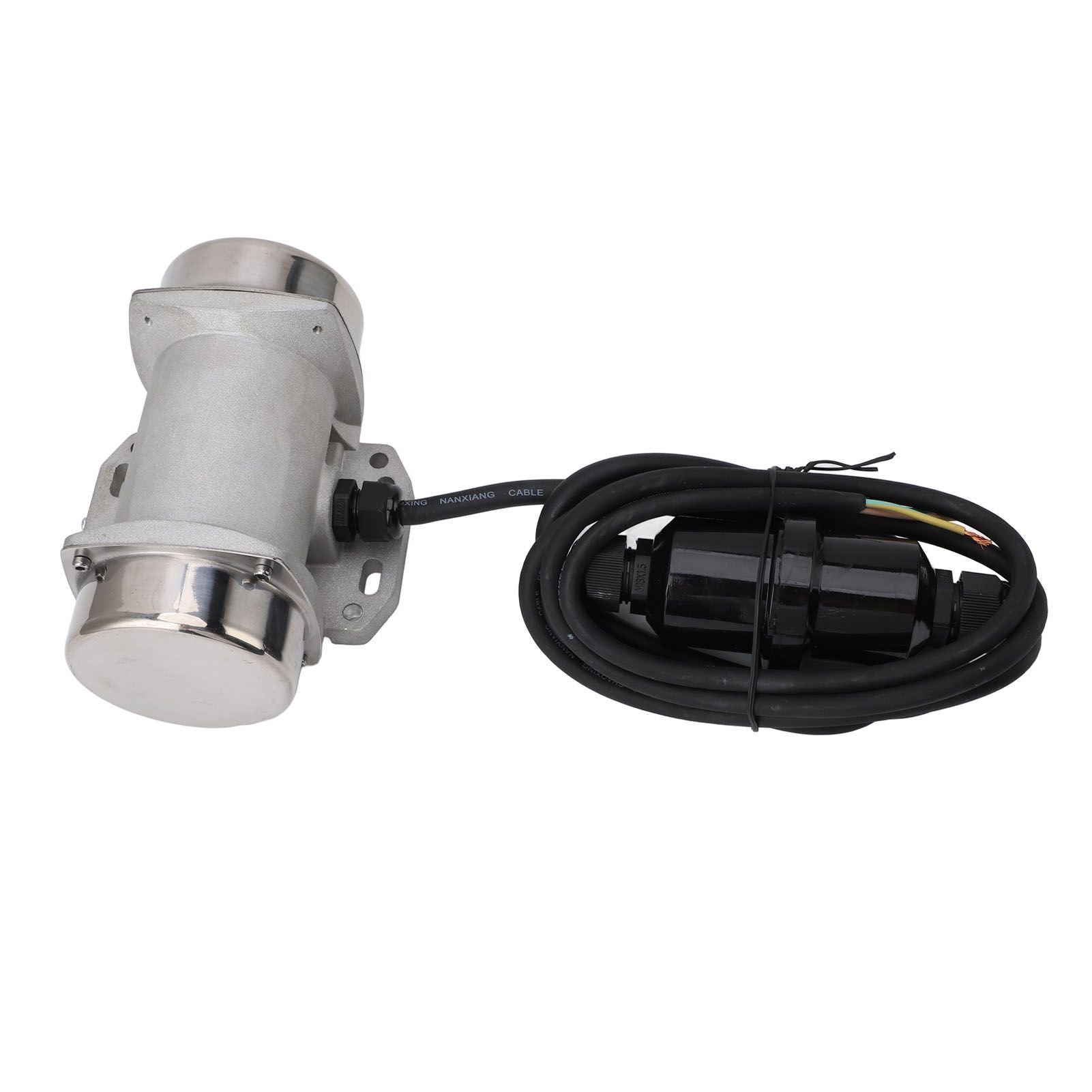
At its core, a concrete vibrator motor is a simple machine with a complex job. It's an electric motor fitted with an eccentric weight on its shaft. As the motor spins—often at speeds around 3000rpm or 4000rpm—the off-centre weight creates a powerful, high-frequency vibration. When this motor is securely mounted to a shaker table or a formwork, that vibration transfers directly into the wet concrete. The force liquefies the mix momentarily, allowing trapped air bubbles to rise to the surface and the aggregate to settle densely together. The result is uniform, compact concrete with far greater strength and a smooth, professional finish.
Why bubble removal isn't just for pros
Whether you're casting a DIY garden bench, a set of pavers, or a small workshop slab, eliminating voids is critical. Weak concrete cracks, spalls, and weathers poorly. A proper vibrator motor makes the difference between a hobbyist project and a lasting, structural result.
Specs explained: translating motor jargon
Product listings can feel like alphabet soup. Here’s what those key specs mean for your project at home.
| Spec | On paper | What it means at home |
|---|---|---|
| Voltage & Phase | 220-230V Single-Phase, 380-460V Three-Phase, 12/24V DC | Single-phase is your standard Aussie power point. Three-phase is for industrial workshops. DC motors run off batteries or transformers, great for portable or low-power setups. |
| Power (Wattage) | 20W, 50W, 70W | Higher wattage means more forceful vibration for heavier loads. A 20W motor suits small moulds; 70W handles larger tables or denser mixes. |
| Speed (RPM) | 3000RPM, 4000RPM | The revolutions per minute. Higher RPM often means finer bubble removal, but the needed vibration force (from the weight and power) is just as important. |
| IP Rating | IP65, IP66 | Ingress Protection against dust and water. IP65 resists low-pressure water jets; IP66 handles powerful jets. Crucial for hosing down a messy work area. |
| Construction | Aluminium Alloy | Lightweight, excellent heat dissipation, and resistant to corrosion—ideal for the damp, abrasive concrete environment. |
Where a shaker table motor shines (and where it doesn't)
These motors are purpose-built tools with a clear zone of genius.
Where it excels
Their prime application is driving a vibrating table or shaker table for casting concrete products. They're perfect for consolidating precast items like pavers, blocks, ornamental pieces, or lab test samples. They also power vibrating screens for sorting aggregates or feeders in small-scale material handling. For DIY, they transform a simple, sturdy platform into a professional-grade casting station.
Its honest limitations
This isn't a handheld immersion vibrator for pouring a house slab. The motor needs to be securely mounted to a structure (the table) to be effective. It also requires some basic mechanical know-how for mounting and electrical safety awareness for wiring. It's a component, not a plug-and-play tool.
How to choose the right vibrator motor
- Determine your power source. This is your first decision. For home garages and sheds, a 230V single-phase motor plugs straight in. If you have a three-phase workshop connection, you can utilise those more powerful motors. For ultimate portability or low-voltage safety, a 12V or 24V DC system is ideal.
- Match power to your load. Estimate the total weight of your largest concrete-filled mould plus the table itself. A heavier load requires a higher-wattage motor (e.g., 70W vs 20W) to generate sufficient vibration force.
- Consider speed control. For versatility, a motor with an adjustable speed controller lets you fine-tune the vibration for different mix consistencies and mould sizes. All our DC options and some AC motors offer this.
- Prioritise the IP rating. Concrete work is wet and dusty. An IP65 or IP66 rating is non-negotiable for durability and safety, allowing you to clean your gear without fear of damaging the motor.
- Check mounting options. Ensure the motor has a standardised mounting flange or foot that you can securely bolt to your table's frame. A loose motor is ineffective and dangerous.
- Plan your wiring. Have a qualified electrician handle any 230V or higher connections. For DC motors, ensure your power supply (battery or transformer) matches the voltage and can deliver the required current.
- Start with a test run. Before committing to a big pour, do a test with a small amount of concrete to dial in the vibration time and speed for perfect consolidation.
The Australian context: climate, space, and sheds
Our conditions play a role. In humid coastal areas, the corrosion-resistant aluminium alloy and high IP ratings are essential. In the hot, dry inland, that same aluminium alloy's superior heat dissipation prevents the motor from overheating during long sessions. For renters or those in apartments, the smaller DC setups are a game-changer—you can run a compact table off a car battery in a courtyard without needing special electrical work. Just remember, concrete work is messy; always protect your surfaces and have a hose-down area ready.
Who this is (and isn't) for
Buy a concrete vibrator motor if:
- You regularly cast concrete pavers, ornaments, or small slabs.
- You want professional, void-free results in your DIY projects.
- You're building or upgrading a shaker table for a small business or hobby.
- You value a durable, purpose-built tool over makeshift solutions.
Look elsewhere if:
- You need a handheld wand vibrator for large-scale slab pours.
- You want an entirely pre-assembled, plug-and-play vibrating table.
- You're unwilling to do basic mounting and safe wiring.
- Your project is a one-off; hiring a tool might be more economical.
In-stock concrete vibrator motors at Darrah Opens
We have a range of motors suited to different needs, from industrial shaker tables to compact DIY setups.
For standard workshop power (230V)
Concrete Vibration Motor IP66 Aluminum Alloy Single Phase: A robust, single-phase option with an IP66 rating for heavy wash-down, made from premium aluminium alloy.
For three-phase industrial setups
Concrete Vibrator Motor 0.03KW IP66 Three Phase: A three-phase industrial motor built for continuous duty on heavier shaker tables and equipment.
For versatile DC power and speed control
DC 12V Concrete Vibrator Motor 4000RPM with Speed Controller: A 50W brushless motor with a speed controller, perfect for portable or detailed work.
DC24V Brushless Vibration Motor 4000RPM Adjustable Speed: A compact, 20W mini powerhouse with adjustable speed for smaller moulds and projects.
For high-power vibration at 3000RPM
Concrete Vibration Motor 3000RPM 50Hz 70W: A powerful 70W, 3000rpm motor with an IP65 rating, suited for larger tables and demanding applications.
The bottom line
A dedicated concrete vibrator motor elevates your concrete work from amateur to professional by ensuring a dense, strong finish. The right choice hinges on your power supply and the scale of your projects. Whether you opt for simple single-phase, versatile DC, or industrial three-phase, pairing it with a well-built table turns a messy pour into a precision process.
Frequently asked questions
What's the difference between a single-phase and three-phase concrete vibrator motor?
Single-phase motors run on standard 230V household power, making them perfect for home workshops and DIY. Three-phase motors require a 380-415V industrial power supply but offer smoother operation and are better suited for continuous, heavy-duty use in commercial shaker tables.
Is an IP65 rating good enough for concrete work?
Yes, IP65 is excellent for this application. It means the motor is totally dust-tight and protected against low-pressure water jets from any direction. This allows you to safely wash off concrete splatter without damaging the internal components.
Can I use a 12V motor for a large concrete slab?
Generally, no. A 12V or 24V DC concrete vibrator motor is designed for smaller, portable shaker tables and precast items like pavers. The vibration force from a lower-wattage DC motor typically isn't sufficient to consolidate a large, thick slab effectively.
Why is aluminium alloy used for these motors?
Aluminium alloy is lightweight, which reduces strain on your table frame, and it dissipates heat rapidly to prevent motor burnout during long runs. It's also highly resistant to the corrosion caused by wet concrete and outdoor conditions.
How long should I vibrate the concrete for?
There's no universal time. You should vibrate until the surface becomes a smooth, glossy film of paste with no large bubbles rising. This usually takes 5 to 15 seconds per mould. Over-vibration can cause the aggregate to settle unevenly.
Do I need a speed controller?
It's highly recommended for versatility. A speed controller lets you adjust the vibration intensity for different mix consistencies (wet vs. dry) and mould sizes, giving you precise control over the concrete vibration effect for optimal results.
Shop concrete vibrator motors and more
Ready to eliminate bubbles and boost the strength of your concrete projects? Explore our full range of durable, high-performance concrete vibrator motors and appliances to find the perfect match for your workshop or job site.